
Three independent testing organisations publish air purifier picks, and in late 2026 they largely converge on one machine: Coway’s Airmega Mighty2. Where they differ is how they organise the advice. Consumer Reports sorts its top eight by room size, Wirecutter sorts by role in a lineup, and WIRED sorts by what you are trying to remove from the air.
This guide follows the room-size route, because that is the decision buyers get wrong first. Honest Fred has not tested any of these machines. Everything below is attributed to the testers who did, and every price is the one shown at the time of writing.
What the testers actually measure
Consumer Reports says it has rated nearly 170 air purifiers for its 2026 round-up, and its lab lead Misha Kollontai draws the line plainly: the best machines remove particles at any fan speed, while the worst struggle even at maximum and make a fair amount of noise doing it. Wirecutter says it has tested more than 70 purifiers over the past decade. WIRED’s guide, updated on November 11, 2026, describes a sealed-tent test with smoke pellets, timing how long each unit takes to clear the smoke by eye and to bring air-quality readings back to healthy, then measuring noise in sleep, auto and maximum modes.
Those are different measurements. A tent test tells you how fast a machine recovers from a smoke load. Consumer Reports’ ratings cover dust, pollen and smoke removal plus predicted reliability and owner satisfaction from member surveys. Neither is a medical study, and neither promises a health outcome.
Match the machine to the room
Consumer Reports groups its picks into four room sizes, and the definition is the most useful part of the whole exercise: extra-large is 650 square feet or more, large is 350 to 650, medium is 150 to 350, and small is 150 square feet or less. A purifier rated for a bedroom will not clean an open-plan living area no matter how high you turn it up.
- Extra-large rooms: Consumer Reports names the Coway Airmega ProX as its best performer, with a certified HEPA filter, an activated carbon filter and a washable pre-filter. It weighs about 50 pounds and has no remote or app.
- Large rooms: Consumer Reports picks the Blueair Blue Pure 311i+ Max, an 8-pound unit with four speeds, a dirt sensor and app control. It also lists the Blueair Blue Pure 211+ as a strong performer with fewer features.
- Medium rooms: Consumer Reports lists the Honeywell AirGenius 5 HFD-320, which uses a washable electrostatic filter, and the HoMedics AP-T200, which pairs a certified HEPA filter with an activated carbon filter and app control.
The picks the three testers share
Wirecutter’s top pick is the Coway Airmega Mighty2 (AP-1512N) at $270, with the original Airmega Mighty as runner-up after years as its main pick. Its upgrade pick is the Blueair Blue Pure 211i Max at $349, and its budget pick is the Blueair Blue Pure 511 at $75.
WIRED, in its November 2026 update, calls the same Mighty2 the best choice for most people at $270. It names the IQAir Atem X at $1,400 as the premium option if design and long-term repairability matter more than price, the Coway Airmega 450 at $499 for odours and volatile organic compounds, and the Levoit Vital 200S-P at about $170 as the cheap pick.
Two of the three testers landing on the same mid-priced Coway is a stronger signal than any single award. It is also not a guarantee: both are describing their own units, in their own rooms, with their own methods.
Filter and energy cost decides the real price
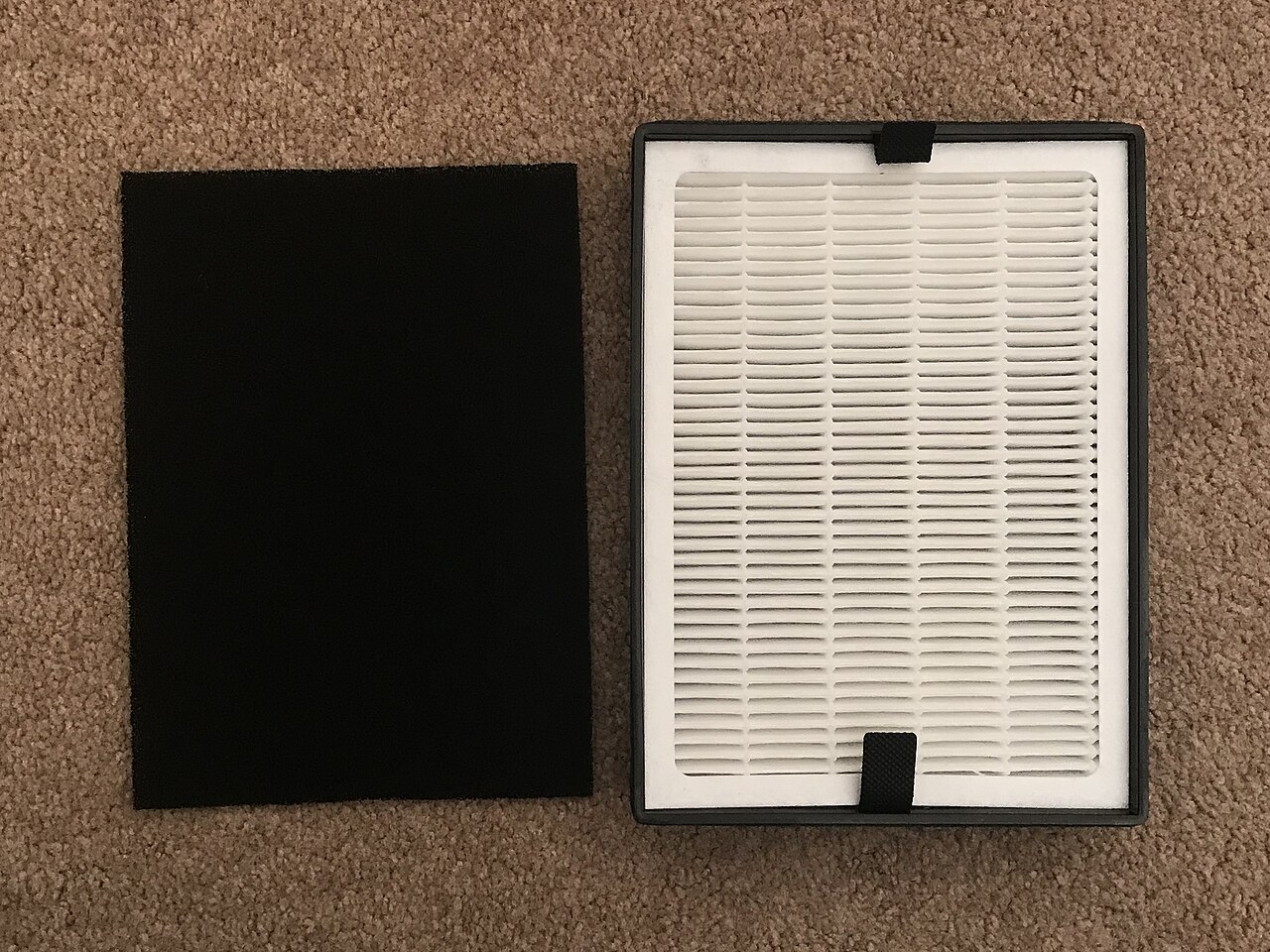
Consumer Reports publishes an annual running estimate for each pick that combines filter replacement and electricity, assuming round-the-clock use. The Airmega ProX comes out at about $259 a year, the Blue Pure 311i+ Max at about $136, the Blue Pure 211+ at about $214, the Honeywell AirGenius 5 at about $88 and the HoMedics AP-T200 at about $118.
That spread is the argument for looking past the sticker. A $300 purifier with $250-a-year running costs is a more expensive purchase over five years than a $450 unit that costs $136 a year to maintain. Machines that use washable electrostatic filters, like the AirGenius 5, avoid regular HEPA replacements altogether.
What a HEPA claim does and does not mean
Consumer Reports notes that a certified HEPA filter is rated to capture at least 99.97 percent of particles 0.3 micron or larger. That is a filter specification, not a room guarantee. Real performance depends on how much air the unit moves, how well the room is sealed, where the unit sits, and whether it is running on a speed you can tolerate.
Noise is where cheap units give themselves away. Several of the models above earn good particle-removal scores and only middling noise scores, which is why the auto mode and the sleep setting deserve as much attention as the maximum airflow figure.
Before you pay, check the total
Purifier prices move with seasonal sales and membership events, and the listed price is rarely the final one. Our guide to checking the real total before you buy online covers the delivery, membership and returns costs that change the comparison.
What we did not do
We did not unbox, run or measure any air purifier for this article. We did not test filtration in a sealed room, and we are not making health claims about allergies, asthma or smoke exposure. Model names, prices and availability come from the three publishers named below and were correct as listed on November 12, 2026. Retailers set and change their own prices.
Sources
- Wirecutter: The Best Air Purifier
- Consumer Reports: 8 Best Air Purifiers of 2026
- WIRED: The Best Air Purifiers, tested November 2026