
Pet hair is not one cleaning problem, which is why no single vacuum wins the category. It lands on upholstery, works into carpet pile, collects along skirting boards and reappears the morning after you cleaned. Wirecutter’s pet-hair guide, updated October 27, 2026, answers this by naming four machines for four jobs rather than one champion.
That structure is the most useful thing in the guide. This article follows it, adds the catches Wirecutter flags for each model, and separates the purchase price from the cost of owning the thing for five years. Honest Fred has not tested any of these vacuums. Everything below is attributed to the testers who did, and every price is the listing shown on the guide when it was read on November 12, 2026.
What the testers looked for
Wirecutter says its pet-hair testing happens in a multi-pet household across tile, vinyl, hardwood, rugs and upholstery. Its stated criteria are cleaning power, useful attachments such as motorised brushes and crevice tools, reliability and warranty, and convenience, including bin or bag capacity.
Two of its findings are worth carrying into any purchase. The first is that even cheap vacuums lift hair from bare floors, so the difference shows up on carpet and furniture. The second is that pet-grooming attachments deserve suspicion: the testers note that many cats and rabbits are frightened by vacuum noise and say plainly that pets should not be forced to tolerate a grooming brush.
The handheld: Black+Decker Dustbuster AdvancedClean+ HHVK515JP07
Wirecutter’s handheld pick is the Black+Decker 20V Max Dustbuster AdvancedClean+ HHVK515JP07, listed at $80 from Amazon and $132 from Walmart. It earns the spot on upholstery: a motorised brush agitates fur out of grippy fabric, and a built-in extendable crevice tool reaches between cushions.
The specifications matter as much as the cleaning score. Its 25-ounce bin is the largest of the handhelds Wirecutter tested, it runs about 25 minutes on low, and it charges in under three hours. The filter is washable and replaceable. The battery is not replaceable, which is the single biggest ownership risk on a $80 machine: when the cell degrades, the vacuum becomes e-waste. Wirecutter covers it with a two-year warranty and reports using one daily for four years without losing suction.
The catches are honest ones. The crevice tool is too stiff for very tight gaps and sometimes slides back into place, the filters can slip out while emptying the bin, and every handheld the testers tried struggled with the carpeted floor of a car boot.
The canister: SEBO Airbelt K3 Premium
At $949 from Amazon, Walmart and Sylvane, the SEBO Airbelt K3 Premium is the deep-clean answer and the least fashionable purchase in this guide. Wirecutter calls its 12-inch electric power head the best it has tested, self-propelled and height-adjustable across bare floors and low- to high-pile carpet, with a brush roll that releases at the push of a button for cutting out tangled hair.
Filtration is the other argument. It uses a bag, an S-class pre-motor filter that Wirecutter rates slightly better than HEPA, and an exhaust filter, which is why the guide positions it for households with pet allergies. It is also unusually quiet, and the warranty is the longest here: seven years on the motor and five on parts and labour from an authorised dealer, rising to ten and seven with registration.
What you are paying for is repairability. Wirecutter states that SEBO machines are designed to last 20 years. Bags are a running cost a bagless machine does not have, and the optional pet kit, including a grooming tool, was only partly tested: the tester’s cat tolerated the brush, the rest of the animals left the room.
The cordless stick: Dyson V10 Konical
The Dyson V10 Konical is the middle path and, as of this reading, the only model here carrying a discount: $350 from Amazon and Walmart against a $450 list price, or $400 from Home Depot. Wirecutter’s reason for picking it is specific to pet households, because a conical brush roll is close to impossible to wrap in long hair.
It weighs about 6 pounds, holds roughly 30 ounces of debris and ran more than 40 minutes in the testers’ medium-mode test. Five filtration stages include a HEPA layer, the battery can be swapped for a spare sold separately, and the warranty runs two years. It ships with only two attachments, a motorised mini brush and a crevice tool, which is thin compared with the SEBO but enough for stairs and sofas.
The robot: Roborock Q7 M5+
The Roborock Q7 M5+ costs $300 from Amazon and $360 from Walmart, and it is the machine that keeps the floor from getting worse between proper cleans. Wirecutter rates it a thorough cleaner and one of the best navigators it has tested, with lidar mapping, four stored maps, room-by-room settings, and a self-emptying dock that pushes debris into a 2.7-litre bag.
Battery life is about 180 minutes on bare floors in Quiet mode, dropping sharply on carpet in Turbo or Max. The dock’s bag needs changing roughly every six or seven weeks according to the company, which is a recurring cost and a recurring piece of plastic.
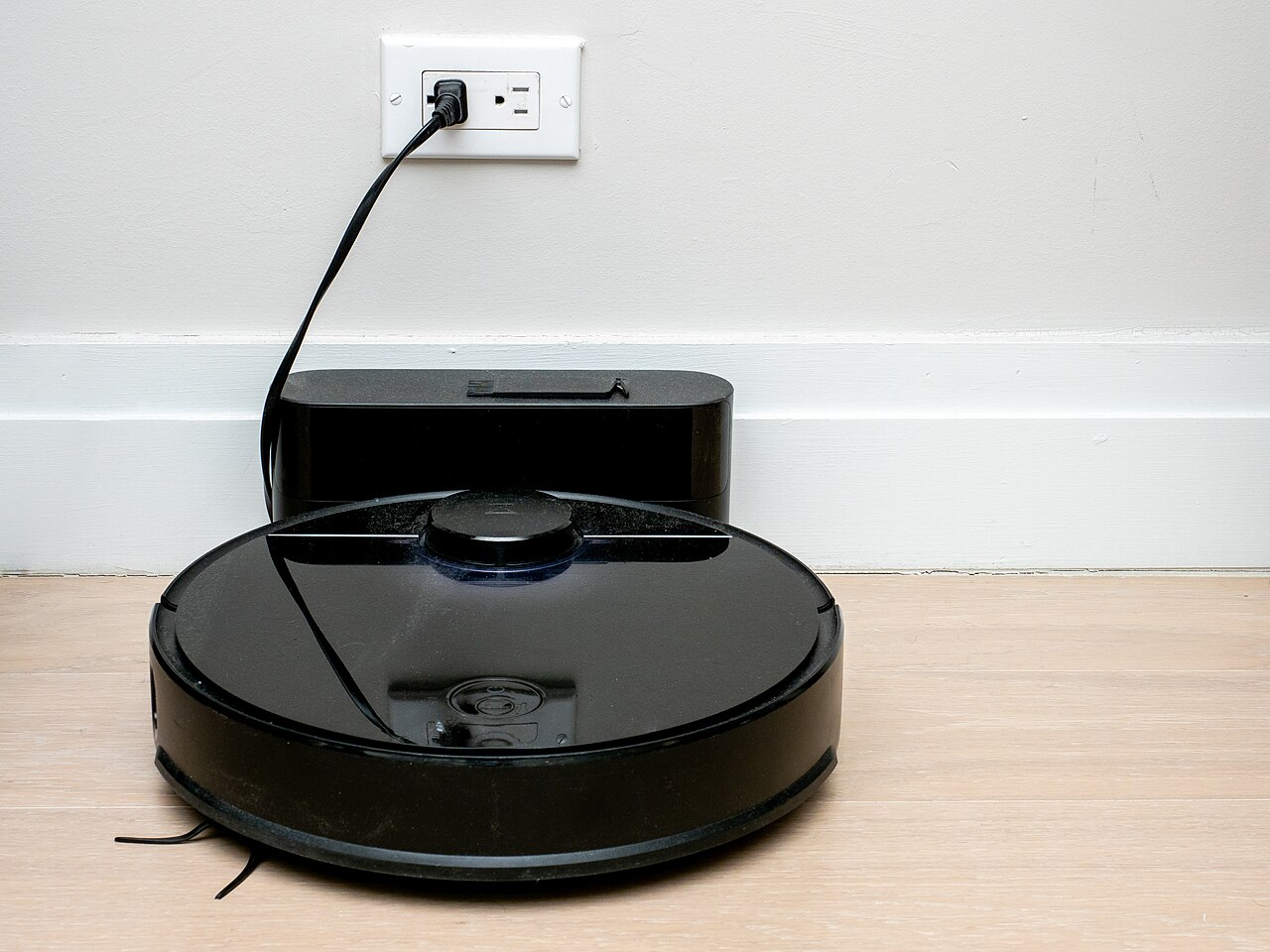
Its limits are the category’s limits. One side brush means weaker pickup along edges and skirting boards, and the testers found it missed debris when it straddled carpet and hard floor. Wirecutter also flags inconsistent Roborock customer service in owner reviews, a one-year warranty and no replacement motors. If you do not want a dock, the Q7 M5 is the same machine without one.
What ownership actually costs
The sticker price is the least interesting number in this comparison. A handheld with a sealed battery is a four-to-six-year purchase no matter how well it cleans. A bagged canister adds bag costs but is designed to be serviced for two decades. A stick vacuum adds a spare battery if you clean a whole house in one go. A robot adds dock bags, filters and side brushes, plus the electricity of running daily.
Wirecutter’s testing also makes a hierarchy clear. No robot replaces a plug-in vacuum on rugs, and no handheld cleans a whole house. The realistic pet household in 2026 buys one deep cleaner and one quick-response tool, not four machines.
The 2026 rule change for robot vacuums
One thing changed this year that has nothing to do with suction. On July 28, 2026 the FCC added foreign-produced advanced robotic devices to its Covered List, which means new models generally cannot receive the equipment authorisation needed to be imported, marketed or sold in the US. The FCC’s fact sheet is explicit that the action applies to new device models: previously authorised models can still be sold, and devices already bought are unaffected.
Wirecutter summarises the practical effect the same way, adding that software and firmware updates for existing authorised models are permitted until January 1, 2029, and that producers can apply for conditional approval from the Department of War. What that means for a buyer is simple: the robot you can buy today is fine, but the replacement model you assume will exist in three years may not arrive on schedule. If repairability and parts availability matter to you, that is now a reason to check the robot vacuum buying guide before assuming next year’s version will be better.
Which machine for which home
- Most pet households: the Black+Decker HHVK515JP07 for sofas, stairs and car seats, paired with whatever full-size vacuum you already own.
- Carpet, allergies, or a 20-year purchase: the SEBO Airbelt K3 Premium, bought from an authorised dealer so the extended warranty applies.
- Smaller home, one or two shedding pets: the Dyson V10 Konical while it is discounted, with a spare battery if you clean in one long pass.
- Daily maintenance between cleans: the Roborock Q7 M5+, budgeted with dock bags and filters.
Prices move constantly, and a listed price is rarely the final one. Our guide to checking the real total before you buy online covers the delivery, membership and returns costs that change the comparison.
What we did not do
We did not unbox, run or measure any vacuum for this article. We did not test suction, filtration, noise or durability, and we are making no health claims about allergies or asthma. Model names, specifications, prices and warranties come from Wirecutter’s guides as read on November 12, 2026, and the regulatory summary comes from the FCC’s own fact sheet. Retailers set their own prices, and stock changes.
Sources
- Wirecutter: The Best Vacuum for Pet Hair, updated October 27, 2026
- Wirecutter: The Best Robot Vacuum, updated August 4, 2026
- FCC: Fact sheet on the Covered List update for advanced robotic devices, July 28, 2026