
Crypto users often hear that an exchange keeps assets in “cold storage,” but the phrase is not a guarantee that funds are safe. It describes a custody arrangement designed to keep some assets disconnected from the internet. The quality of the exchange’s access controls, approval process, monitoring and recovery plan still matters.
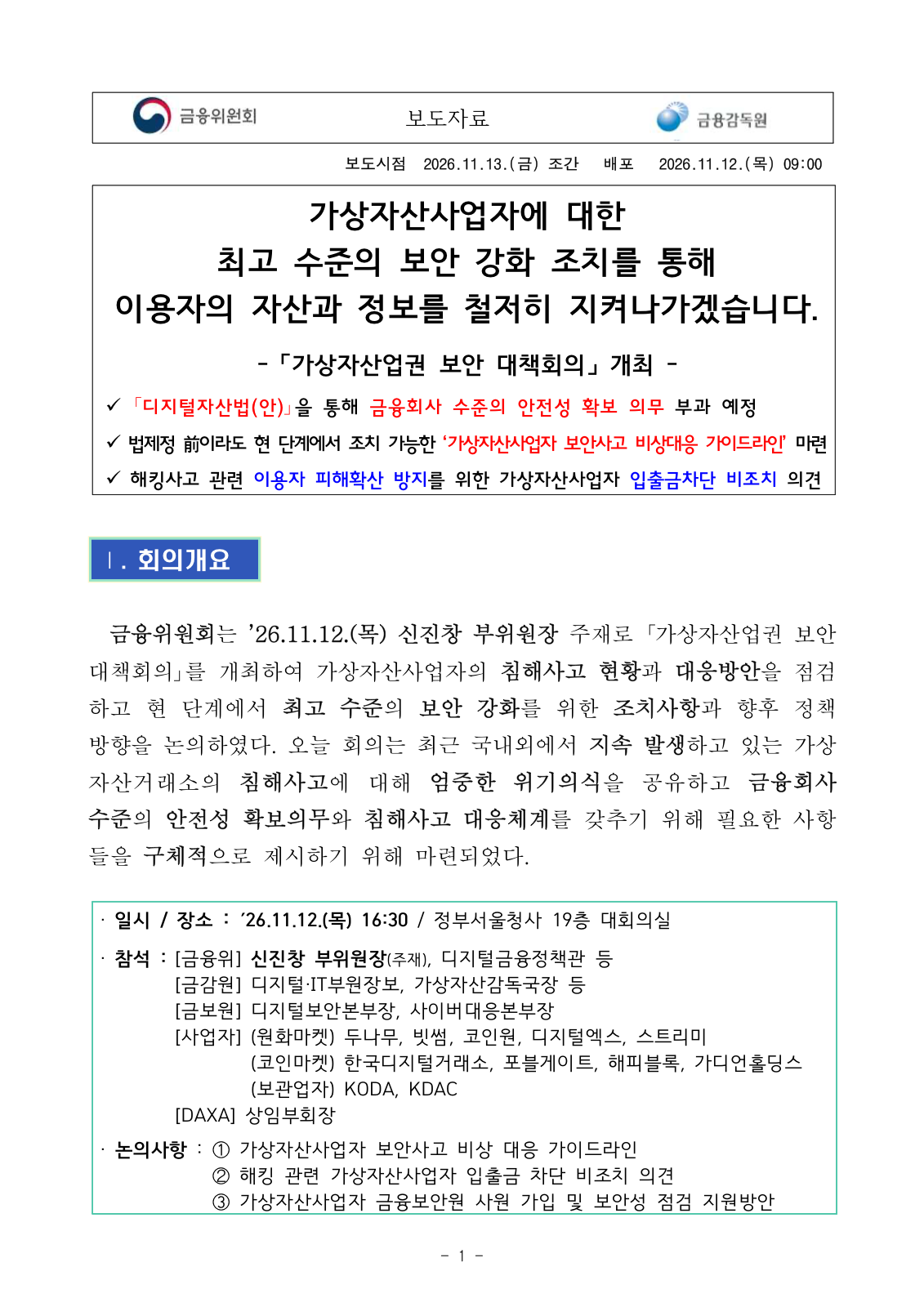
The issue returned to the spotlight in November 2026 after South Korea’s Financial Services Commission discussed exchange security following a reported Binance incident. The FSC said Binance had reported unauthorized transfers of about $6.3 billion in crypto from hot wallets on October 30, while also noting that the investigation and response were ongoing.[6] That figure is a reported incident amount, not a prediction about future losses or a basis for an investment decision.
What is the difference between hot and cold wallets?
A hot wallet is connected to the internet and is generally easier to use for deposits, withdrawals and trading. A cold wallet is stored offline or otherwise separated from online systems, which can reduce exposure to remote attacks. Cold storage can make routine operations slower and more controlled, but it cannot remove every risk: insiders, compromised signing devices, poor recovery procedures and operational mistakes still matter.
South Korea’s virtual-asset framework has required providers to keep more than 80% of users’ virtual assets in cold wallets, with the exact level set through supervision rules.[9] In its November 2 response to the Binance incident, the FSC urged domestic providers to increase cold-wallet holdings, strengthen withdrawal monitoring, share information about unusual access attempts and review insurance or reserve arrangements.[6]
What changed in the November guidance?
On November 12, the FSC said it had discussed emergency response guidance, advance withdrawal blocks when a hack is suspected and additional security inspections for virtual-asset businesses.[7] The regulator also called for 24-hour monitoring and response arrangements, higher cold-wallet ratios, stronger reserves and more security work around wallets, blockchain systems and smart contracts.[7]
Those are directions for service providers and regulators. They do not mean that a user’s exchange balance is insured against every loss, nor do they mean that moving coins to any wallet automatically makes them safe. Users should read the provider’s custody, withdrawal and loss-recovery terms instead of relying on a “cold wallet” marketing label.
Four checks users can make
1. Check the exchange’s security disclosures
Look for a current explanation of cold-storage policy, withdrawal controls, incident reporting and customer recovery procedures. Be cautious when a provider gives only a percentage without explaining what the percentage measures, which assets it covers or how often it is verified.
2. Treat unusually urgent withdrawal messages as a warning
Security incidents can create confusion. Do not click a link in an unsolicited email or social post telling you to “verify” a wallet, export a recovery phrase or move funds to a new address. Confirm announcements through the exchange’s official app or website, then type the destination address yourself where possible.
3. Test a small transfer before sending more
When moving crypto, verify the network, asset, destination address and memo or tag requirements. Send a small test amount first if the situation allows. A transaction sent on the wrong network or to the wrong address may be difficult or impossible to recover.
4. Separate trading funds from long-term holdings
Keeping every asset on one exchange creates concentration risk. Keeping everything in one self-custody wallet creates a different risk if the seed phrase is lost or exposed. A sensible setup depends on the user’s knowledge, amount, time horizon and ability to protect backups. Never share a seed phrase with a support agent, chatbot or “recovery service.”
The market-risk warning still applies
Security is only one risk. The Korean FSC’s H1 2026 survey reported that domestic virtual-asset market capitalization fell 33% over the period and that the maximum drawdown was 69%.[9] The same release warned that many exclusively listed assets had very small market capitalizations, creating liquidity and extreme-volatility concerns.[8]
These figures describe a particular market and period. They do not forecast Bitcoin, Ethereum or any individual coin, and they are not a recommendation to buy or sell. Crypto prices can move sharply, platforms can pause withdrawals and regulations can change. Only risk money you can afford to lose, and verify the applicable rules in your country.
A useful pre-transfer checklist
Before any deposit or withdrawal, confirm: the official website or app; the asset and network; the destination address; the memo or tag; the exchange’s current withdrawal status; the expected fee; and whether a small test transaction is appropriate. Save the transaction ID after sending, but do not post private account details publicly.
For a practical account-safety refresher, see Honest Fred’s phishing warning signs guide.
Bottom line
Cold-wallet storage is a meaningful security control because it can reduce the amount of customer crypto exposed to online systems. It is not a guarantee, an investment signal or a substitute for strong approvals and monitoring. After the November 2026 regulatory discussions, the most practical user response is simple: verify announcements, reduce concentration, test transfers and treat urgency as a possible scam signal.
Sources
Source 7: https://www.fsc.go.kr/no010101/88133
Source 8: https://www.fsc.go.kr/eng/pr010101/82534
Source 9: https://www.fsc.go.kr/eng/pr010101/87833