
Elgin Community College in Illinois removed six Flock Safety license plate-reading cameras in April 2026, after months of unsuccessful requests to have them taken down earlier. The dispute drew attention in October when reporting described how college employees had covered the cameras with bags while they waited for the contract to end. The equipment is no longer on campus, so this is a look back at what happened—not an ongoing removal effort.
What happened at Elgin Community College?
The college installed six Flock Safety cameras in April 2025 to support campus security. Automated license plate readers can record vehicle plate information and other identifying details, allowing authorized users to search for vehicles. But their usefulness for investigations also creates questions about who can search the collected data, how long records remain available and whether information is shared beyond the institution.
According to an October 9, 2026 WBEZ investigation by Lisa Kurian Philip, college president Peggy Heinrich became concerned after reports that federal immigration authorities had accessed Flock camera data at other Illinois institutions. Immigration and Customs Enforcement detained an Elgin student in a campus parking lot in September 2025, increasing anxiety among students.
Important distinction: Elgin Community College said its own review found no evidence that federal immigration agents had accessed the college’s Flock camera data. The concerns about access elsewhere should not be presented as proof that Elgin’s records were accessed.
Timeline: from installation to removal
- April 2025: Six cameras were installed at Elgin Community College.
- September 2025: A student was detained by federal immigration agents in a campus parking lot, according to reporting and college statements.
- October 2025: The college requested early cancellation and removal. Heinrich told WBEZ that Flock rejected the request, saying the company had not breached its agreement.
- December 2025: Officials offered to pay the remaining months of the contract to get the cameras removed early. Heinrich said they received no reply.
- Before April 2026: College employees covered cameras with black bags and zip ties. Heinrich said workers arriving in an unmarked vehicle repeatedly removed the coverings. She believed the workers were associated with Flock, but their employer was not independently established in the reporting.
- April 2026: The one-year agreement expired and Flock removed the cameras.
The college’s communications director confirmed the April removal in a statement reported by the Daily Herald on October 15, 2026. That confirmation matters because a headline focused only on the dispute could incorrectly suggest the cameras are still operating.
Why couldn’t the college simply take the cameras down?
Flock retained ownership of the installed equipment, according to WBEZ’s reporting. The college wanted the system removed before its agreement expired, but its requests did not produce an early removal. This illustrates why the wording of a surveillance contract can matter as much as the technical specifications of the cameras.
Public reporting does not establish the complete terms of the agreement or prove that either side violated it. Flock did not provide a response to WBEZ’s request for comment about this dispute. It would therefore be misleading to declare a contract breach or to attribute the unmarked vehicle’s workers to Flock as a verified fact.
What this case teaches schools and local governments
1. Define who can access camera data
Before deploying automatic license plate readers, institutions should document which employees and external agencies can search records, who approves sharing and whether access is logged. Policies should be understandable to students and the public.
2. Negotiate an exit plan before installation
A contract should address early termination, immediate deactivation, physical removal, ongoing charges and how quickly stored data is deleted or returned. Those questions are much harder to settle after a disagreement has begun.
3. Audit actual use instead of assuming misuse
Regular access-log reviews can help distinguish demonstrated use from fears about potential use. Elgin’s reported audit did not find evidence of federal immigration access to its campus data, even though the college still chose removal as a precaution.
4. Communicate what is known and unknown
When surveillance systems affect a campus community, officials should explain the system’s purpose, the safeguards in place and any unresolved questions. Claims about specific agencies, legal violations or individual contractors should be supported by records rather than assumptions.
Was Elgin the only institution raising concerns?
No. WBEZ reported that other Illinois colleges and universities had Flock cameras and that records showed immigration-related searches involving data from some other campuses. Each institution’s contracts, access permissions and audit findings are different; those findings cannot automatically be applied to Elgin.
For related privacy reading, see Honest Fred’s coverage of privacy concerns around AI-enabled glasses and its guide to California data-broker deletion tools. These are separate topics, but both show why data collection and control deserve scrutiny.
Bottom line
The Elgin Community College dispute ended with the cameras’ removal in April 2026. The broader lesson is not that a particular misuse of Elgin’s data was proven—it was not—but that organizations should evaluate data access, student trust and the practical ability to exit a surveillance agreement before installing equipment.
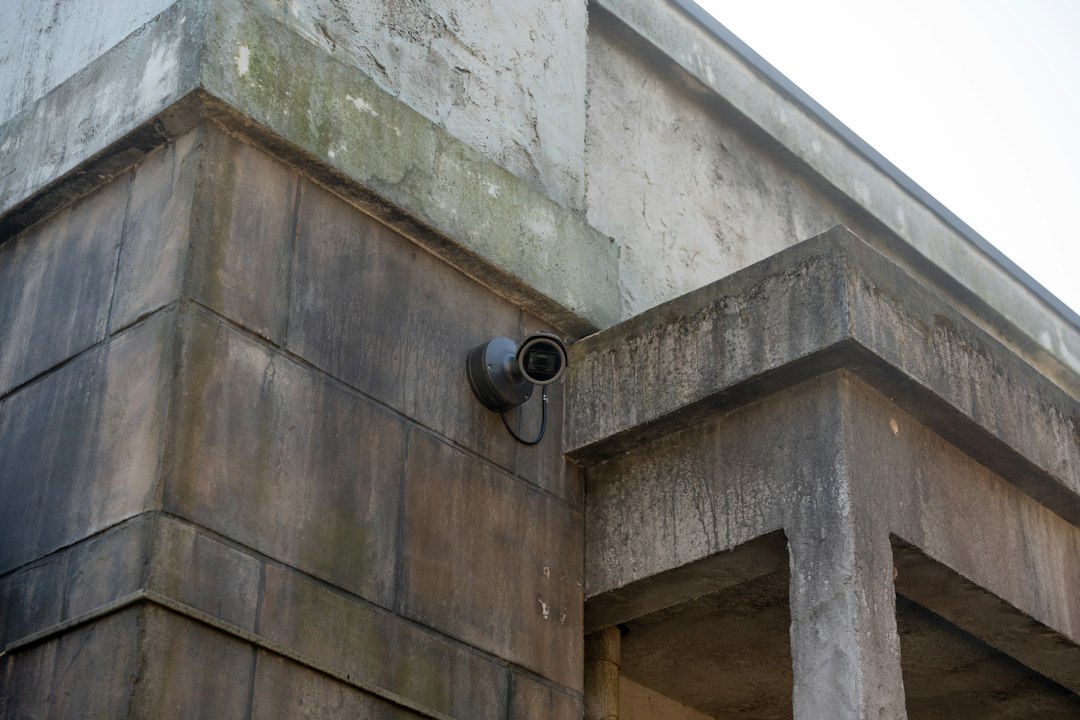
Featured image: Illustrative photograph by Turquo Cabbit / Unsplash; not a photo of Elgin Community College or its cameras.
Sources and attribution
- Lisa Kurian Philip, WBEZ / Open Campus, October 9, 2026 — original reporting and interviews with Peggy Heinrich.
- Susan Sarkauskas, Daily Herald, October 15, 2026 — college statement confirming the removal and its timeline.
- CBS Chicago, October 15, 2026 — additional reporting on the college’s account.