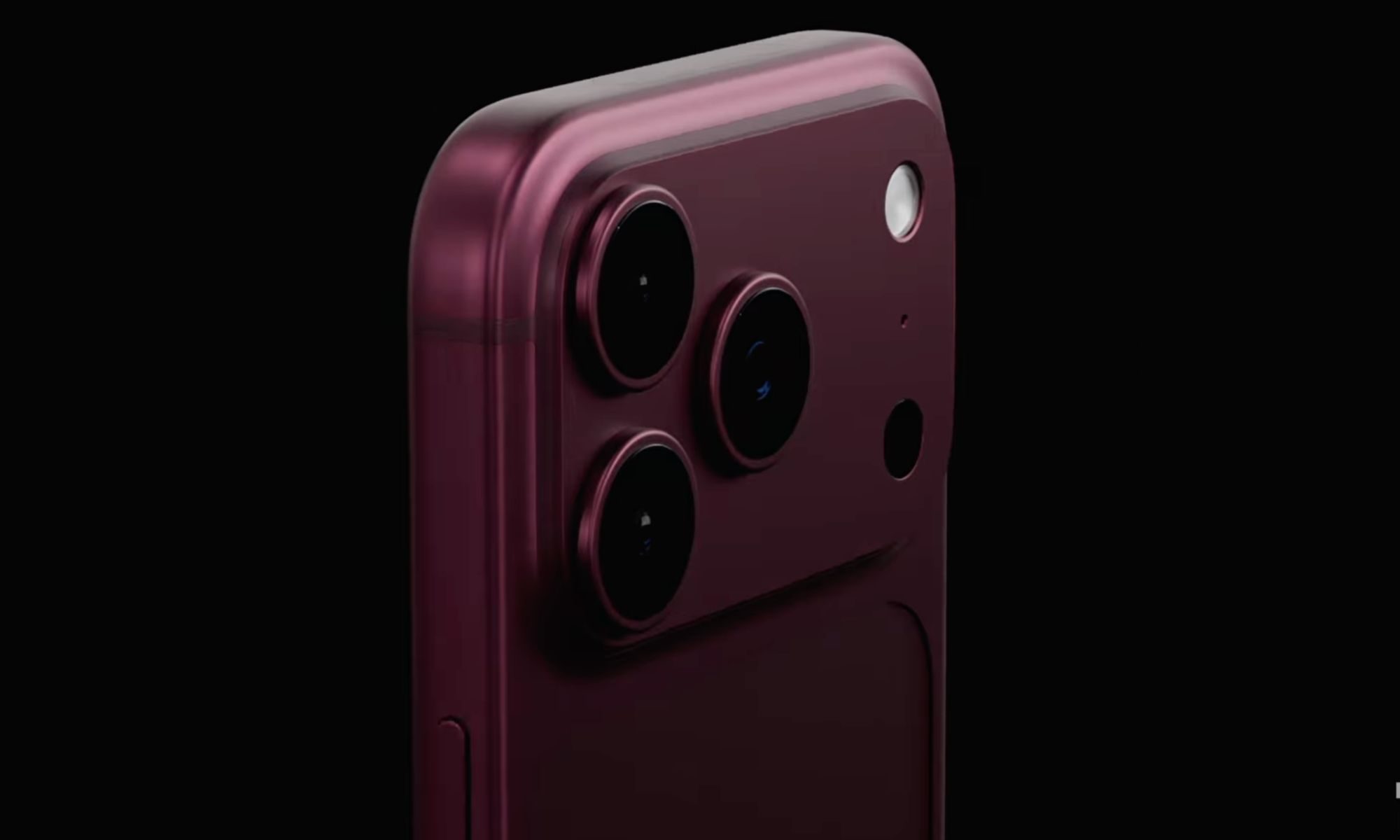
Rumors suggest Apple’s upcoming flagship may feature a camera that can literally open and close its iris. According to a diagnostic log obtained by Notebookcheck, the iPhone 18 Pro Max includes calibration data for a variable‑aperture main lens.
The file surfaced in a cache of documents allegedly taken from Tata Electronics, a supplier for Apple, and later posted by the World Leaks ransomware group. So far, Apple has not confirmed the authenticity of the leak nor offered any comment, leaving the claim unverified.
The iPhone camera could finally adjust its aperture
The log points to a Sony IMX905 sensor as the new main camera, with a 1.22‑micrometer pixel pitch that mirrors the prior generation. Industry analysts note that variable aperture is a hardware feature that expands creative control beyond software processing, rather than a dramatic increase in sensor size.
Notebookcheck also uncovered calibration strings for an aperture actuator—essentially a motor that alters the size of the lens opening. A larger opening admits more light and creates a shallower depth of field, whereas a smaller opening increases the in‑focus area and helps manage bright scenes.
In plain terms, the next iPhone will offer more flexibility when lighting conditions shift, providing a hardware‑based advantage that complements Apple’s existing computational photography.
Variable‑aperture lenses are already found on competing flagship phones, such as Huawei’s Pura 90s Pro series, so Apple’s inclusion is not a industry‑wide breakthrough but a first for its own iPhone line.
Apple / Digital Trends
Most of the other cameras may stay familiar
The remainder of the iPhone 18 Pro Max camera system is expected to be carried over from the iPhone 17 Pro Max. The log references the same Sony IMX973 telephoto unit, IMX972 ultrawide sensor, IMX591 LiDAR receiver, and IMX914 front‑facing camera. The telephoto module continues to feature three‑axis gimbal‑style optical stabilization.
Apple’s current iPhone 17 Pro models already incorporate three 48‑megapixel rear sensors, one of which provides a 4× optical telephoto. In our testing, the device’s distant performance trails the Pixel 10 Pro, particularly in fine detail, shadow recovery, and color fidelity at higher zoom levels. Some analysts suggest the iPhone 18 Pro Max could see a price increase of roughly $200, driven by higher costs for camera modules and memory chips.