
Uncovering the Origins of Better Call Saul: From Sitcom to Drama
Better Call Saul, the critically acclaimed spinoff of Breaking Bad, has a fascinating history that few fans are aware of. Initially conceived as a half-hour sitcom, the show’s creators, Vince Gilligan and Peter Gould, had a vastly different vision for the series. In this article, we’ll delve into the origins of Better Call Saul and explore what could have been if it had remained a sitcom.
The early seasons of Better Call Saul were marked by a slower pace, which was a deliberate choice by the creators to establish the show’s tone and characters. However, this approach was a significant departure from the intense, thrilling narrative of Breaking Bad. As the series progressed, the introduction of iconic characters like Gus Fring and the Salamancas injected a sense of urgency and danger, drawing the show closer to its Breaking Bad roots.
Jimmy pleading in Better Call Saul
The Sitcom That Could Have Been
When AMC first commissioned the series, Gilligan and Gould envisioned Better Call Saul as a sitcom, drawing inspiration from shows like Dr. Katz, Professional Therapist. The concept would have revolved around Saul Goodman’s chaotic law office, with a focus on his eccentric clients and the humorous misadventures that ensued. However, the creators soon realized that their expertise lay in writing hour-long dramas, and the sitcom format didn’t play to their strengths.
Bob Odenkirk, the talented actor behind Saul Goodman, has proven his comedic chops in various roles, but the sitcom version of Better Call Saul would have been an ideal platform for him to showcase his skills as a lead comedic actor. Although the show ultimately took a different direction, the remnants of its sitcom roots can still be seen in certain episodes, particularly in Season 2.
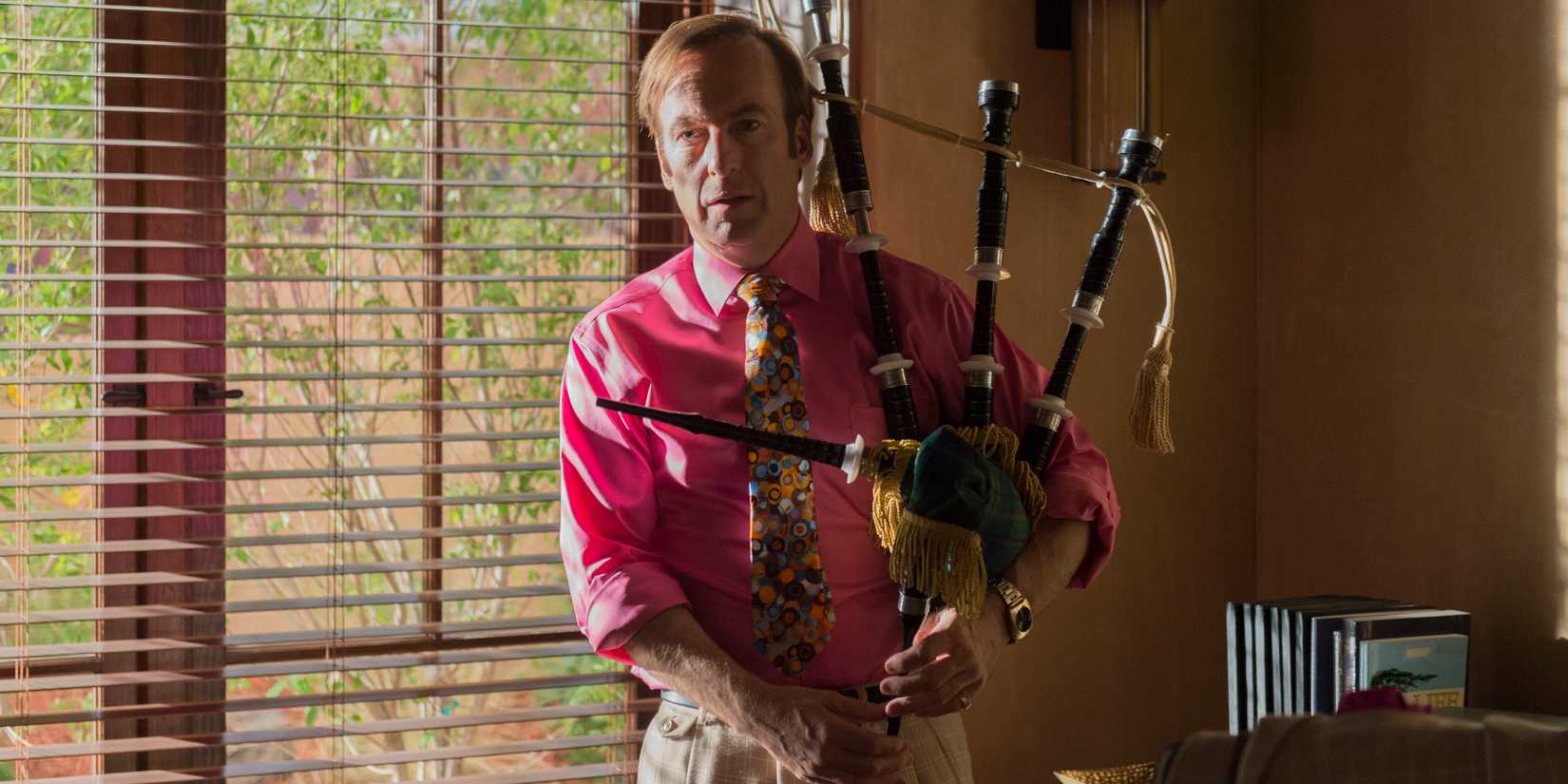
Jimmy with the bagpipes in Better Call Saul
A Glimpse into the Sitcom Version: “Inflatable” (Season 2, Episode 7)
In “Inflatable,” Jimmy’s frustration with his job at Davis & Main reaches a boiling point, leading him to employ unorthodox methods to get fired without cause, thereby allowing him to keep his signing bonus. This episode showcases the comedic elements that could have been the foundation of the sitcom version of Better Call Saul. The lighthearted tone and humorous plot devices are reminiscent of classic sitcoms, making it easy to imagine an alternate version of the show.
While the sitcom concept may have been an entertaining direction for Better Call Saul, the show’s evolution into a drama has yielded a more complex and engaging narrative. The series has successfully balanced humor with intense, dramatic moments, creating a unique viewing experience that sets it apart from other shows in the same genre.
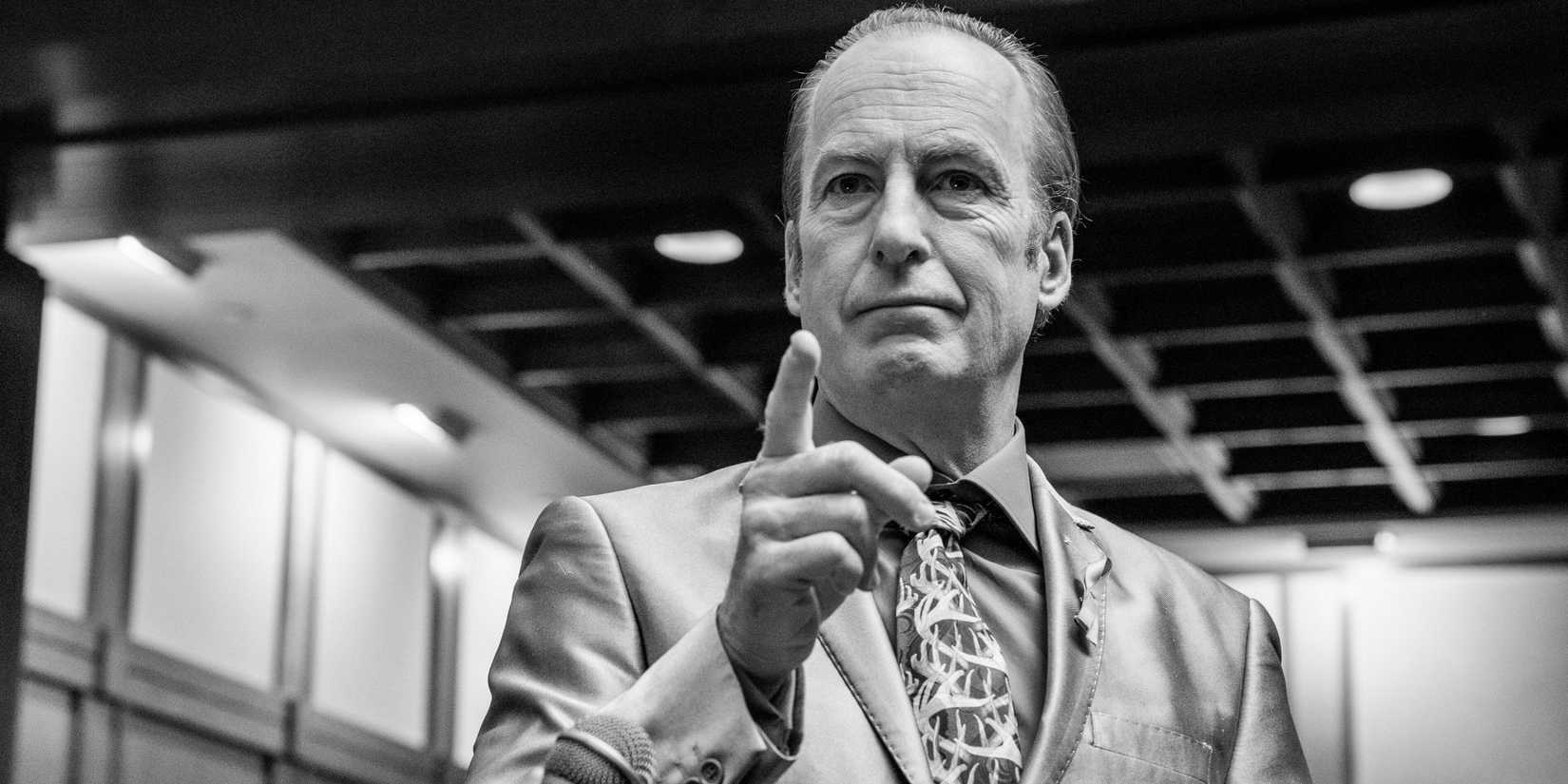
Bob Odenkirk as Saul Goodman in Better Call Saul
The Dramatic Turn: A Better Call Saul
The decision to transform Better Call Saul into a drama has proven to be a wise one, allowing the show to explore deeper themes and character complexities. Bob Odenkirk’s performance, in particular, has been a highlight, showcasing his impressive range as a dramatic actor. The series has become a masterclass in character development, with Jimmy McGill’s transformation into Saul Goodman being a compelling and nuanced arc.
In conclusion, while the sitcom version of Better Call Saul may have been an interesting direction, the show’s evolution into a drama has resulted in a more captivating and thought-provoking narrative. The remnants of its sitcom roots add a unique flavor to the series, making it a standout in the world of television dramas.

Jimmy in the desert in Better Call Saul