
Streaming sticks and boxes used to be the cheapest upgrade in home entertainment. In 2026 that changed. Every major platform owner — Apple, Roku, Amazon and Google — raised prices on at least one streaming device, and the pattern points at hardware costs rather than new features.
The sequence of price rises
Apple moved first, taking the Apple TV 4K from roughly $130 to about $200 in June 2026, which several outlets tied to a global memory shortage. Roku followed in July, lifting its line and taking the Roku Ultra from about $100 to about $150. Amazon raised prices in August, leaving the Fire TV Stick 4K Max at $84.99 and the newest Fire TV Stick 4K at a $59.99 list price.
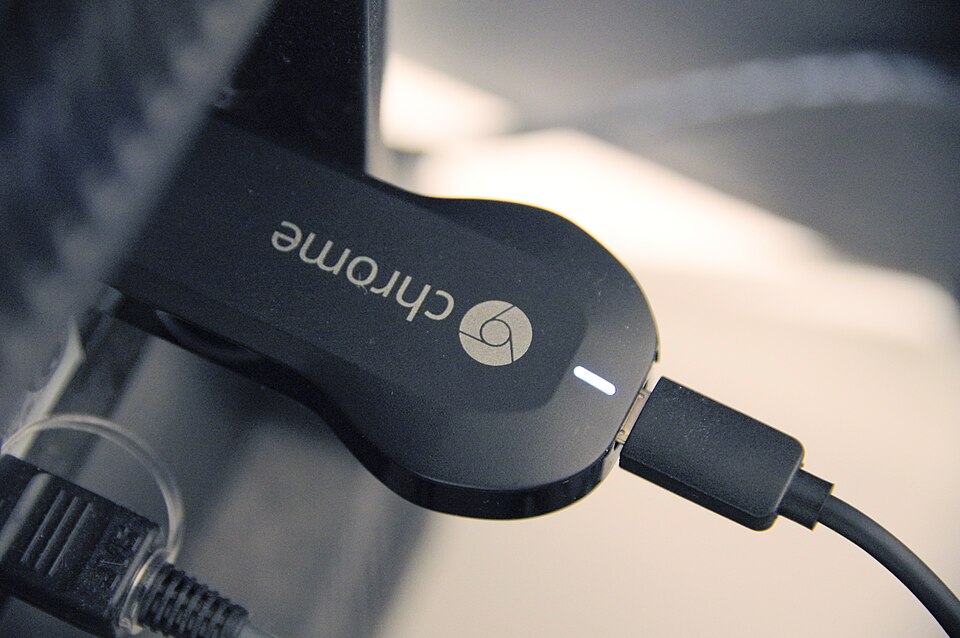
Google held out longest. The Google TV Streamer launched in 2024 at $99.99 as the successor to the Chromecast, and on August 31, 2026 it moved to $149.99 at the Google Store and Best Buy — a 50% increase. Google did not announce the change in advance; in a statement it attributed the adjustment to “rising component costs” and applied it to five Nest cameras and doorbells as well, with increases of $20 to $50.
What you get at each price now
The Google TV Streamer still has real advantages: 4GB of RAM, 32GB of storage, gigabit Ethernet, and it doubles as a Matter and Thread smart-home hub. Its weak spot is Wi-Fi 5, which is unusual at a $150 price in 2026. Roku’s Ultra matches the Streamer on price and supports Wi-Fi 6 with 4K at 60 frames per second, Dolby Vision, HDR10+ and Dolby Atmos, but carries far less storage.
Amazon’s Fire TV line runs Vega OS on the newest hardware, supports HDR10, HDR10+ and HLG, and the newest Fire TV Stick 4K adds Wi-Fi 6. Notably, that model drops Dolby Vision and blocks sideloading of apps from outside the Amazon Appstore — a meaningful change for anyone who previously used a Fire TV stick as a general-purpose Android device.
The exception that keeps the market honest
Walmart’s ONN 4K Pro has stayed at $59.98 and runs Google TV, the same platform as Google’s own box. It has 3GB of RAM, 32GB of storage, Wi-Fi 6, a 100Mbps Ethernet port and a USB-A port. Compared with the Google TV Streamer it gives up a gigabyte of RAM, gigabit Ethernet and the Thread border router, and saves about $90.
That gap is why the price increases matter more than they first appear. When the Streamer was $100, the premium was easy to justify. At $149.99, a shopper has to actually want the Thread hub, the faster Ethernet or Google’s update cadence to make the maths work.
What to do about it
If you are buying for a secondary TV, the sensible move is to buy last year’s model on clearance rather than the current one — third-party listings for the Google TV Streamer lingered near the old $100 price for a while after the increase. If you need Dolby Vision, check the specific model: it is no longer a given across the Fire TV line. And if you already own a 2023 or 2024 device that streams 4K without stuttering, this is a good year to keep it.
Sources
- TechRepublic, “Google TV Streamer Jumps to $150 as Component Costs Rise”: https://www.techrepublic.com/article/news-google-tv-streamer-price-hike-150/
- Pocket-lint, on 2026 streaming hardware price increases: https://www.pocket-lint.com/this-android-streamer-easily-beats-fire-stick-and-google-tv-streamer/
- MakeUseOf, “After a 50% price hike, Google TV Streamer is no longer a good deal”: https://www.makeuseof.com/after-50-percent-price-hike-google-tv-streamer-not-good-deal/
- Google Store listing, Google TV Streamer (4K): https://store.google.com/us/product/google_tv_streamer





